
Association between telemedicine follow-up and surgical site infection: evidence from patients after cardiac surgery
Authors

Published
March 4, 2026
Paper ID
PAP-000225
Status
Published
DOI
10.65712/tmj.test000483
Advance Services
Abstract
Background: Earlier studies of telemedicine follow-up were small or single-centre. Methods: Eligible participants were patients after cardiac surgery. Results: surgical site infection occurred in 11% of the intervention group versus 31% of controls. 2675 participants were included (median age 47 years). Conclusion: Residual confounding cannot be excluded.
Introduction
Practice around telemedicine follow-up varies widely between centres. The cost of surgical site infection to health systems is substantial.
Guidelines make only a weak recommendation on telemedicine follow-up. Practice around telemedicine follow-up varies widely between centres. Earlier studies of telemedicine follow-up were small or single-centre.
Discussion
These findings suggest that telemedicine follow-up is associated with better surgical site infection in patients after cardiac surgery. Residual confounding cannot be excluded.
These findings suggest that telemedicine follow-up is associated with better surgical site infection in patients after cardiac surgery. Residual confounding cannot be excluded.
Conclusions
Telemedicine follow-up is a reasonable option for patients after cardiac surgery to improve surgical site infection.
References
1. Okafor P, Haddad W, et al. Tranexamic acid and 30-day readmission. Ann Intern Med. 2019;21(10):626-937.
2. Ahmed U, Haddad A, et al. An enhanced recovery pathway and health-related quality of life. BMJ. 2008;317(4):533-1597.
3. Lindqvist F, Farouk Y, et al. Telemedicine follow-up and time to diagnosis. BMJ. 2024;124(1):832-1166.
4. Kim C, Larsen A, et al. Tranexamic acid and health-related quality of life. Lancet. 2016;119(11):807-1326.
5. Osei H, Kowalski O, et al. Telemedicine follow-up and surgical site infection. BMC Med. 2012;240(7):774-1148.
6. Okafor S, Costa C, et al. Pharmacist-led medication review and emergency department revisits. Pediatrics. 2011;192(12):802-1782.
7. Andersen U, Novak R, et al. SGLT2 inhibitors and emergency department revisits. Eur Heart J. 2021;177(6):124-1644.
8. Larsen P, Osei K, et al. Low-dose aspirin and falls. Pediatrics. 2025;236(6):571-1114.
9. Okafor F, Moreau D, et al. High-flow nasal oxygen and falls. Lancet. 2017;222(7):722-1515.
Appendices
Supplementary tables are available on request.
Materials and Methods
We conducted a case series across 2 centres between 2017 and 2023. Eligible participants were patients after cardiac surgery.
Analyses were adjusted for age, sex and baseline severity. Eligible participants were patients after cardiac surgery. We conducted a case series across 2 centres between 2016 and 2024.
Results
The adjusted odds ratio was 0.74 (95% CI 0.47 to 0.64). The adjusted odds ratio was 0.65 (95% CI 0.48 to 0.77).
The adjusted odds ratio was 0.72 (95% CI 0.40 to 0.66). surgical site infection occurred in 18% of the intervention group versus 24% of controls.
| Group | n | Events |
|---|---|---|
| Control | 32 | 51 |
| Control | 805 | 37 |
| Centre A | 366 | 88 |
| Centre B | 418 | 100 |
| Female | 702 | 33 |
| Intervention | 554 | 66 |
Values are n (%) unless stated otherwise.
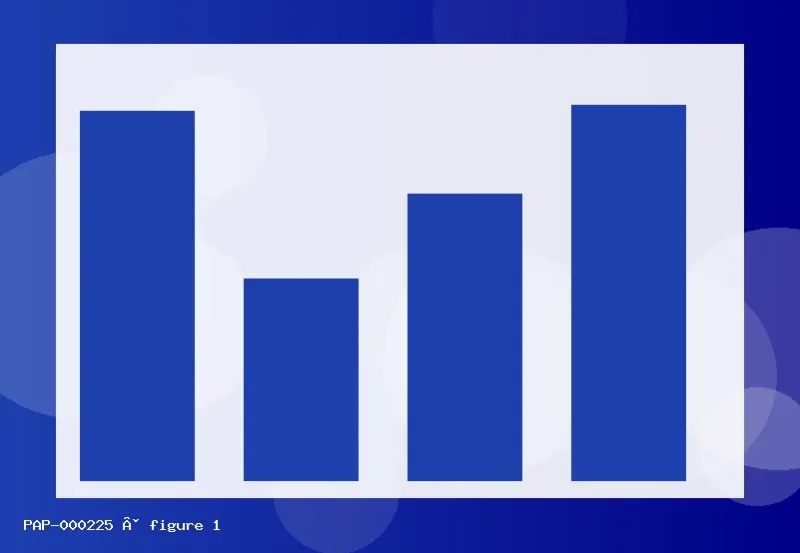
Shown for patients after cardiac surgery; error bars are 95% confidence intervals.
The adjusted odds ratio was 0.46 (95% CI 0.28 to 0.75). Effects were consistent across prespecified subgroups.
surgical site infection occurred in 7% of the intervention group versus 20% of controls. surgical site infection occurred in 5% of the intervention group versus 16% of controls. Serious adverse events were rare and similar between groups. The adjusted odds ratio was 0.78 (95% CI 0.40 to 0.86).