
Rethinking falls in older adults: the role of high-flow nasal oxygen
Authors

Published
April 27, 2024
Paper ID
PAP-000217
Status
Published
DOI
10.65712/tmj.test000475
Advance Services
Abstract
Background: The cost of falls to health systems is substantial. Methods: The primary outcome was falls, assessed blind to allocation. Results: Serious adverse events were rare and similar between groups. The adjusted odds ratio was 0.55 (95% CI 0.31 to 0.97). Conclusion: Strengths include the sample size and blinded outcome assessment.
References
1. Volkov O, Nasser X, et al. Frailty screening and glycaemic control. Diabetes Care. 2019;288(7):35-1469.
2. Moreau U, Nasser D, et al. Nurse-led discharge planning and surgical site infection. Pediatrics. 2015;136(7):225-1053.
3. Costa O, Osei M, et al. Pharmacist-led medication review and 30-day readmission. N Engl J Med. 2023;309(2):89-1616.
4. Schmidt H, Rahman K, et al. Machine-learning triage and acute kidney injury. JAMA. 2010;372(12):569-1443.
5. Mensah I, Moreau D, et al. Point-of-care ultrasound and post-operative delirium. N Engl J Med. 2021;49(2):846-1775.
6. Novak Y, Costa L, et al. Prone positioning and post-operative delirium. Diabetes Care. 2021;337(9):335-928.
7. Volkov Y, Volkov R, et al. Point-of-care ultrasound and time to diagnosis. JAMA. 2016;290(7):229-1134.
8. Larsen V, Nakamura F, et al. Telemedicine follow-up and glycaemic control. BMJ. 2012;133(11):217-1006.
Introduction
Guidelines make only a weak recommendation on high-flow nasal oxygen. Practice around high-flow nasal oxygen varies widely between centres.
Earlier studies of high-flow nasal oxygen were small or single-centre. Practice around high-flow nasal oxygen varies widely between centres.
Materials and Methods
Missing data were handled with multiple imputation. We conducted a cross-sectional survey across 11 centres between 2018 and 2024. Eligible participants were older adults.
Missing data were handled with multiple imputation. The primary outcome was falls, assessed blind to allocation.
Analyses were adjusted for age, sex and baseline severity. The primary outcome was falls, assessed blind to allocation.
The primary outcome was falls, assessed blind to allocation. We conducted a cross-sectional survey across 8 centres between 2015 and 2023. We conducted a cross-sectional survey across 5 centres between 2020 and 2023.
Results
The adjusted odds ratio was 0.40 (95% CI 0.24 to 0.62). 3314 participants were included (median age 71 years). 451 participants were included (median age 33 years). Effects were consistent across prespecified subgroups.
Effects were consistent across prespecified subgroups. Serious adverse events were rare and similar between groups. falls occurred in 17% of the intervention group versus 34% of controls. 1438 participants were included (median age 75 years).
| Group | n | Events |
|---|---|---|
| Centre A | 724 | 112 |
| Control | 353 | 111 |
| Male | 261 | 37 |
Values are n (%) unless stated otherwise.
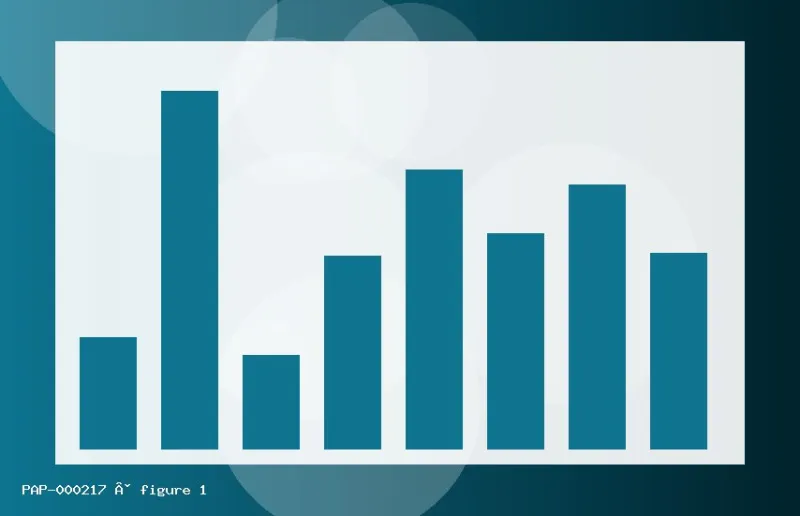
Shown for older adults; error bars are 95% confidence intervals.
falls occurred in 6% of the intervention group versus 13% of controls. The adjusted odds ratio was 0.80 (95% CI 0.42 to 0.90).
Discussion
These findings suggest that high-flow nasal oxygen is associated with better falls in older adults. Implementation will depend on staffing, cost and local protocols. Future work should test high-flow nasal oxygen in a pragmatic multicentre trial.
Strengths include the sample size and blinded outcome assessment. Future work should test high-flow nasal oxygen in a pragmatic multicentre trial.
Conclusions
High-flow nasal oxygen may be offered for older adults to improve falls.
Appendices
Supplementary tables are available on request.