
30-day readmission after high-flow nasal oxygen in children with asthma: A randomised controlled trial
Authors


Published
April 23, 2026
Paper ID
PAP-000194
Status
Published
DOI
10.65712/tmj.test000452
Advance Services
Abstract
Background: Earlier studies of high-flow nasal oxygen were small or single-centre. Methods: We conducted a randomised controlled trial across 5 centres between 2018 and 2024. Results: Effects were consistent across prespecified subgroups. 1315 participants were included (median age 72 years). Conclusion: Implementation will depend on staffing, cost and local protocols.
Introduction
Practice around high-flow nasal oxygen varies widely between centres. Earlier studies of high-flow nasal oxygen were small or single-centre. 30-day readmission remains a leading cause of avoidable harm among children with asthma.
Earlier studies of high-flow nasal oxygen were small or single-centre. The cost of 30-day readmission to health systems is substantial.
Guidelines make only a weak recommendation on high-flow nasal oxygen. 30-day readmission remains a leading cause of avoidable harm among children with asthma.
Earlier studies of high-flow nasal oxygen were small or single-centre. The cost of 30-day readmission to health systems is substantial.
Discussion
These findings suggest that high-flow nasal oxygen is associated with better 30-day readmission in children with asthma. Residual confounding cannot be excluded.
Residual confounding cannot be excluded. Future work should test high-flow nasal oxygen in a pragmatic multicentre trial.
Conclusions
High-flow nasal oxygen should be considered for children with asthma to improve 30-day readmission.
References
1. Novak U, Ahmed E, et al. Early mobilisation and falls. JAMA. 2019;86(7):539-1634.
2. Dubois U, Tanaka Z, et al. Early mobilisation and in-hospital mortality. BMJ. 2008;215(4):133-1197.
3. Rahman X, Costa M, et al. Point-of-care ultrasound and glycaemic control. Crit Care Med. 2008;321(10):648-902.
4. Yilmaz H, Nasser V, et al. Delayed cord clamping and glycaemic control. Eur Heart J. 2014;138(8):106-1434.
5. Moreau G, Patel I, et al. Continuous glucose monitoring and health-related quality of life. Crit Care Med. 2023;23(7):756-1095.
6. Zhang V, Larsen E, et al. Vitamin D supplementation and medication adherence. JAMA. 2020;211(2):808-1377.
7. Silva O, Silva U, et al. Pharmacist-led medication review and falls. N Engl J Med. 2016;148(9):309-1054.
8. Mueller R, Schmidt R, et al. Vitamin D supplementation and surgical site infection. BMJ. 2011;151(11):890-1798.
9. Kowalski B, Rossi J, et al. High-flow nasal oxygen and chronic pain scores. N Engl J Med. 2008;124(9):3-992.
Appendices
Ethics approval: IRB-3272.
Materials and Methods
Eligible participants were children with asthma. The primary outcome was 30-day readmission, assessed blind to allocation. Analyses were adjusted for age, sex and baseline severity. We conducted a randomised controlled trial across 11 centres between 2019 and 2023.
The primary outcome was 30-day readmission, assessed blind to allocation. Missing data were handled with multiple imputation.
Eligible participants were children with asthma. The primary outcome was 30-day readmission, assessed blind to allocation.
Results
Effects were consistent across prespecified subgroups. The adjusted odds ratio was 0.82 (95% CI 0.27 to 0.80).
The adjusted odds ratio was 0.60 (95% CI 0.31 to 0.95). 4084 participants were included (median age 28 years). 3596 participants were included (median age 44 years).
| Group | n | Events | Rate % | OR |
|---|---|---|---|---|
| Control | 660 | 77 | 30.6 | 0.93 |
| Intervention | 24 | 25 | 8.7 | 0.51 |
| Intervention | 37 | 106 | 8.4 | 0.60 |
Values are n (%) unless stated otherwise.
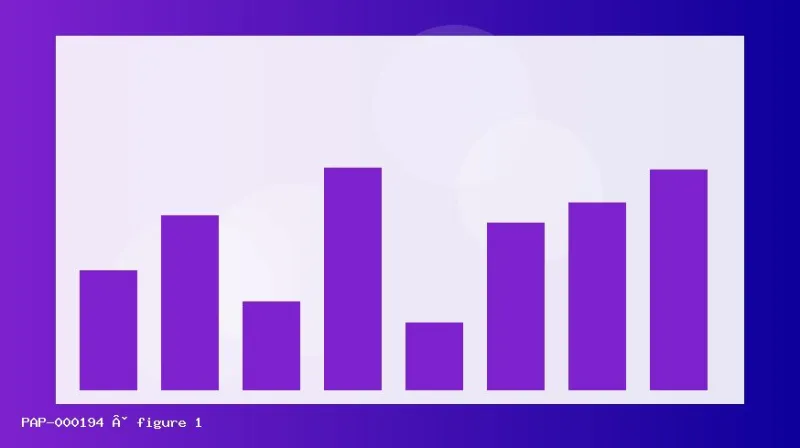
Shown for children with asthma; error bars are 95% confidence intervals.
Effects were consistent across prespecified subgroups. Serious adverse events were rare and similar between groups. The adjusted odds ratio was 0.81 (95% CI 0.31 to 0.75).