
Effect of machine-learning triage on 30-day readmission among patients with heart failure
Authors

Published
March 1, 2026
Paper ID
PAP-000186
Status
Published
DOI
10.65712/tmj.test000444
Advance Services
Abstract
Background: Earlier studies of machine-learning triage were small or single-centre. Methods: Missing data were handled with multiple imputation. Results: 515 participants were included (median age 73 years). 30-day readmission occurred in 7% of the intervention group versus 21% of controls. Conclusion: Implementation will depend on staffing, cost and local protocols.
References
1. Haddad P, Moreau N, et al. Early enteral nutrition and time to diagnosis. Lancet. 2020;281(1):549-905.
2. Herrera Y, Dubois J, et al. Vitamin D supplementation and 30-day readmission. Pediatrics. 2009;157(5):776-902.
3. Schmidt S, Novak Q, et al. SGLT2 inhibitors and in-hospital mortality. Eur Heart J. 2011;232(5):89-1732.
4. Nasser F, Haddad L, et al. Continuous glucose monitoring and acute kidney injury. BMC Med. 2014;283(5):832-1095.
5. Schmidt I, Patel E, et al. SGLT2 inhibitors and post-operative delirium. Lancet. 2023;25(9):726-1289.
6. Kaur U, Rossi J, et al. Point-of-care ultrasound and ventilator-free days. Lancet. 2012;38(3):180-995.
7. Silva J, Mueller D, et al. Early enteral nutrition and patient satisfaction. Pediatrics. 2021;254(6):127-1625.
8. Kaur N, Patel P, et al. Prone positioning and length of stay. Lancet. 2012;54(4):407-1126.
Introduction
Guidelines make only a weak recommendation on machine-learning triage. Practice around machine-learning triage varies widely between centres.
Earlier studies of machine-learning triage were small or single-centre. 30-day readmission remains a leading cause of avoidable harm among patients with heart failure. Practice around machine-learning triage varies widely between centres.
Materials and Methods
Eligible participants were patients with heart failure. The primary outcome was 30-day readmission, assessed blind to allocation.
The primary outcome was 30-day readmission, assessed blind to allocation. Analyses were adjusted for age, sex and baseline severity. Missing data were handled with multiple imputation.
Results
The adjusted odds ratio was 0.76 (95% CI 0.29 to 0.81). 2144 participants were included (median age 39 years). The adjusted odds ratio was 0.41 (95% CI 0.49 to 0.62). The adjusted odds ratio was 0.84 (95% CI 0.48 to 0.90).
| Group | n | Events |
|---|---|---|
| Female | 710 | 67 |
| Centre A | 764 | 113 |
| Male | 522 | 19 |
| Intervention | 401 | 55 |
Values are n (%) unless stated otherwise.
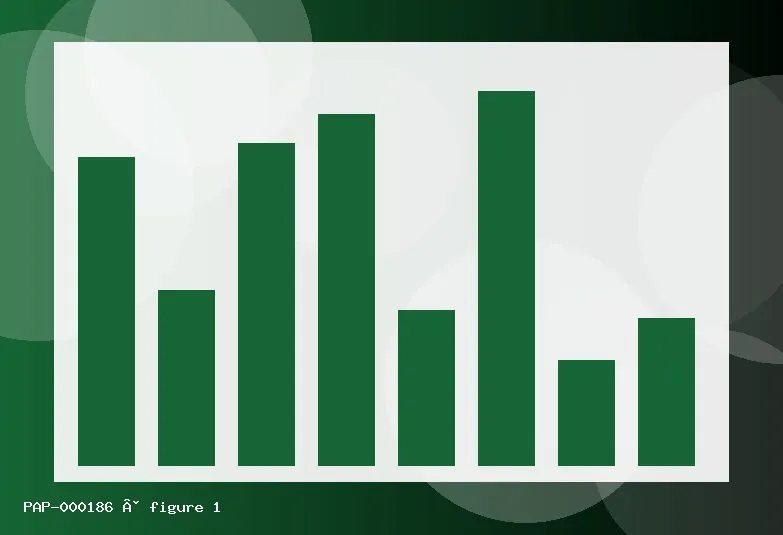
Shown for patients with heart failure; error bars are 95% confidence intervals.
1615 participants were included (median age 77 years). Serious adverse events were rare and similar between groups. The adjusted odds ratio was 0.63 (95% CI 0.38 to 0.98).
30-day readmission occurred in 12% of the intervention group versus 33% of controls. Serious adverse events were rare and similar between groups. 30-day readmission occurred in 10% of the intervention group versus 16% of controls.
Discussion
Residual confounding cannot be excluded. Future work should test machine-learning triage in a pragmatic multicentre trial.
Future work should test machine-learning triage in a pragmatic multicentre trial. Residual confounding cannot be excluded. Strengths include the sample size and blinded outcome assessment.
Conclusions
Machine-learning triage merits wider use for patients with heart failure to improve 30-day readmission.
Appendices
The statistical analysis plan is in the online supplement.