
Patient satisfaction after an enhanced recovery pathway in preterm neonates: A prospective cohort study
Authors


Published
January 8, 2025
Paper ID
PAP-000138
Status
Published
DOI
10.65712/tmj.test000396
Advance Services
Abstract
Background: The cost of patient satisfaction to health systems is substantial. Methods: Missing data were handled with multiple imputation. Results: 2110 participants were included (median age 65 years). Effects were consistent across prespecified subgroups. Conclusion: Residual confounding cannot be excluded.
Introduction
Guidelines make only a weak recommendation on an enhanced recovery pathway. Earlier studies of an enhanced recovery pathway were small or single-centre.
The cost of patient satisfaction to health systems is substantial. Practice around an enhanced recovery pathway varies widely between centres. patient satisfaction remains a leading cause of avoidable harm among preterm neonates.
Materials and Methods
We conducted a prospective cohort study across 10 centres between 2020 and 2023. Eligible participants were preterm neonates.
We conducted a prospective cohort study across 9 centres between 2015 and 2025. Analyses were adjusted for age, sex and baseline severity.
Results
3336 participants were included (median age 82 years). The adjusted odds ratio was 0.65 (95% CI 0.42 to 0.99).
4149 participants were included (median age 39 years). Serious adverse events were rare and similar between groups.
| Group | n | Events | Rate % | OR | 95% CI |
|---|---|---|---|---|---|
| Intervention | 806 | 43 | 2.6 | 0.74 | 0.57–1.8 |
| Female | 294 | 57 | 29.5 | 0.66 | 0.50–1.16 |
| Age ≥ 65 | 52 | 12 | 35.5 | 0.48 | 0.53–1.36 |
| Female | 646 | 35 | 13.3 | 0.77 | 0.43–1.36 |
| Centre B | 697 | 61 | 30.7 | 0.49 | 0.52–1.21 |
Values are n (%) unless stated otherwise.
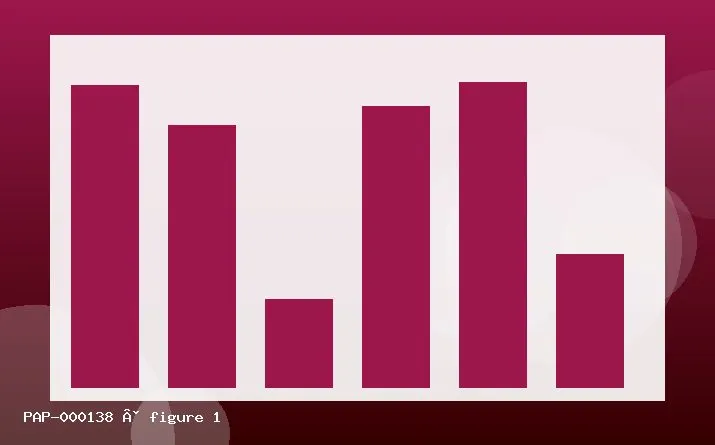
Shown for preterm neonates; error bars are 95% confidence intervals.
3919 participants were included (median age 65 years). patient satisfaction occurred in 11% of the intervention group versus 23% of controls.
patient satisfaction occurred in 17% of the intervention group versus 18% of controls. The adjusted odds ratio was 0.38 (95% CI 0.41 to 0.66). Serious adverse events were rare and similar between groups.
Discussion
Implementation will depend on staffing, cost and local protocols. Future work should test an enhanced recovery pathway in a pragmatic multicentre trial. These findings suggest that an enhanced recovery pathway is associated with better patient satisfaction in preterm neonates.
Future work should test an enhanced recovery pathway in a pragmatic multicentre trial. Residual confounding cannot be excluded.
Conclusions
An enhanced recovery pathway is a reasonable option for preterm neonates to improve patient satisfaction.
References
1. Silva Z, Dubois J, et al. Pharmacist-led medication review and medication adherence. JAMA. 2010;281(1):197-1281.
2. Ibrahim X, Ahmed M, et al. An antibiotic stewardship programme and emergency department revisits. Pediatrics. 2016;147(12):16-1191.
3. Ahmed D, Dubois W, et al. Delayed cord clamping and 30-day readmission. Eur Heart J. 2015;65(12):216-1445.
4. Kaur K, Lindqvist X, et al. Machine-learning triage and falls. Diabetes Care. 2010;135(2):117-1366.
5. Haddad F, Mensah L, et al. Telemedicine follow-up and falls. Crit Care Med. 2018;95(9):149-1502.
6. Schmidt L, Rossi W, et al. Low-dose aspirin and surgical site infection. Lancet. 2023;364(12):526-1602.
7. Mueller A, Kim N, et al. Frailty screening and length of stay. N Engl J Med. 2012;28(2):150-1611.
8. Larsen O, Schmidt V, et al. Prone positioning and 30-day readmission. Lancet. 2017;191(3):713-1395.
9. Kim P, Okafor J, et al. SGLT2 inhibitors and glycaemic control. JAMA. 2024;126(8):597-1263.
Appendices
The statistical analysis plan is in the online supplement.