
Patient satisfaction after vitamin D supplementation in adults with type 2 diabetes: A case series
Authors

Published
December 20, 2023
Paper ID
PAP-000063
Status
Published
DOI
10.65712/tmj.test000321
Advance Services
Abstract
Background: The cost of patient satisfaction to health systems is substantial. Methods: Missing data were handled with multiple imputation. Results: Effects were consistent across prespecified subgroups. The adjusted odds ratio was 0.67 (95% CI 0.45 to 0.90). Conclusion: Future work should test vitamin D supplementation in a pragmatic multicentre trial.
References
1. Volkov N, Larsen F, et al. Machine-learning triage and medication adherence. Crit Care Med. 2016;199(1):673-1000.
2. Patel K, Yilmaz I, et al. Frailty screening and time to diagnosis. JAMA. 2017;369(3):279-1258.
3. Ahmed F, Herrera S, et al. Machine-learning triage and glycaemic control. Ann Intern Med. 2008;284(4):569-1481.
4. Rossi D, Novak X, et al. Machine-learning triage and chronic pain scores. JAMA. 2013;390(6):524-1122.
5. Silva P, Mueller E, et al. Vitamin D supplementation and patient satisfaction. Diabetes Care. 2012;262(10):529-1545.
Introduction
Practice around vitamin D supplementation varies widely between centres. patient satisfaction remains a leading cause of avoidable harm among adults with type 2 diabetes.
Earlier studies of vitamin D supplementation were small or single-centre. Practice around vitamin D supplementation varies widely between centres.
The cost of patient satisfaction to health systems is substantial. patient satisfaction remains a leading cause of avoidable harm among adults with type 2 diabetes.
Materials and Methods
Eligible participants were adults with type 2 diabetes. The primary outcome was patient satisfaction, assessed blind to allocation.
Eligible participants were adults with type 2 diabetes. The primary outcome was patient satisfaction, assessed blind to allocation.
Analyses were adjusted for age, sex and baseline severity. Eligible participants were adults with type 2 diabetes. Missing data were handled with multiple imputation.
Results
Serious adverse events were rare and similar between groups. patient satisfaction occurred in 15% of the intervention group versus 36% of controls. The adjusted odds ratio was 0.47 (95% CI 0.34 to 0.92).
| Group | n | Events |
|---|---|---|
| Age < 65 | 578 | 120 |
| Centre B | 251 | 84 |
| Centre A | 285 | 33 |
| Age < 65 | 717 | 47 |
| Control | 275 | 80 |
Values are n (%) unless stated otherwise.
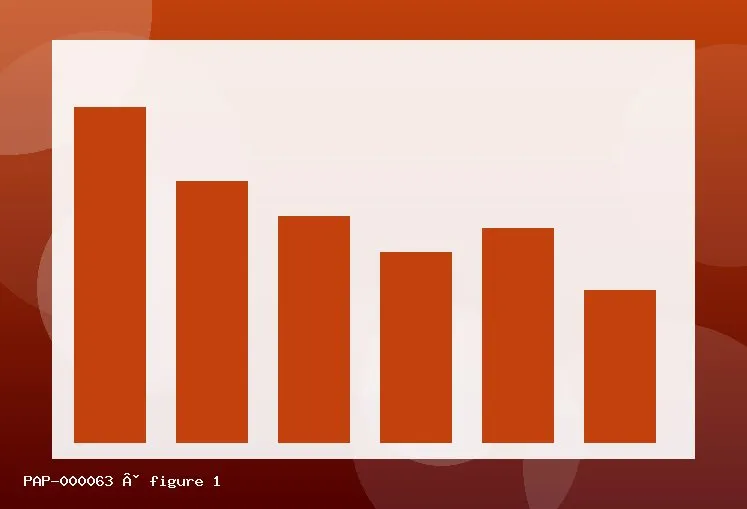
Shown for adults with type 2 diabetes; error bars are 95% confidence intervals.
patient satisfaction occurred in 22% of the intervention group versus 27% of controls. Serious adverse events were rare and similar between groups. The adjusted odds ratio was 0.43 (95% CI 0.27 to 0.65).
Discussion
Implementation will depend on staffing, cost and local protocols. These findings suggest that vitamin D supplementation is associated with better patient satisfaction in adults with type 2 diabetes. Residual confounding cannot be excluded.
Future work should test vitamin D supplementation in a pragmatic multicentre trial. Residual confounding cannot be excluded.
Conclusions
Vitamin D supplementation merits wider use for adults with type 2 diabetes to improve patient satisfaction.
Appendices
The statistical analysis plan is in the online supplement.